2026 January 28th

White Sancerre Wine: Exploring Terroir and Unique Flavors

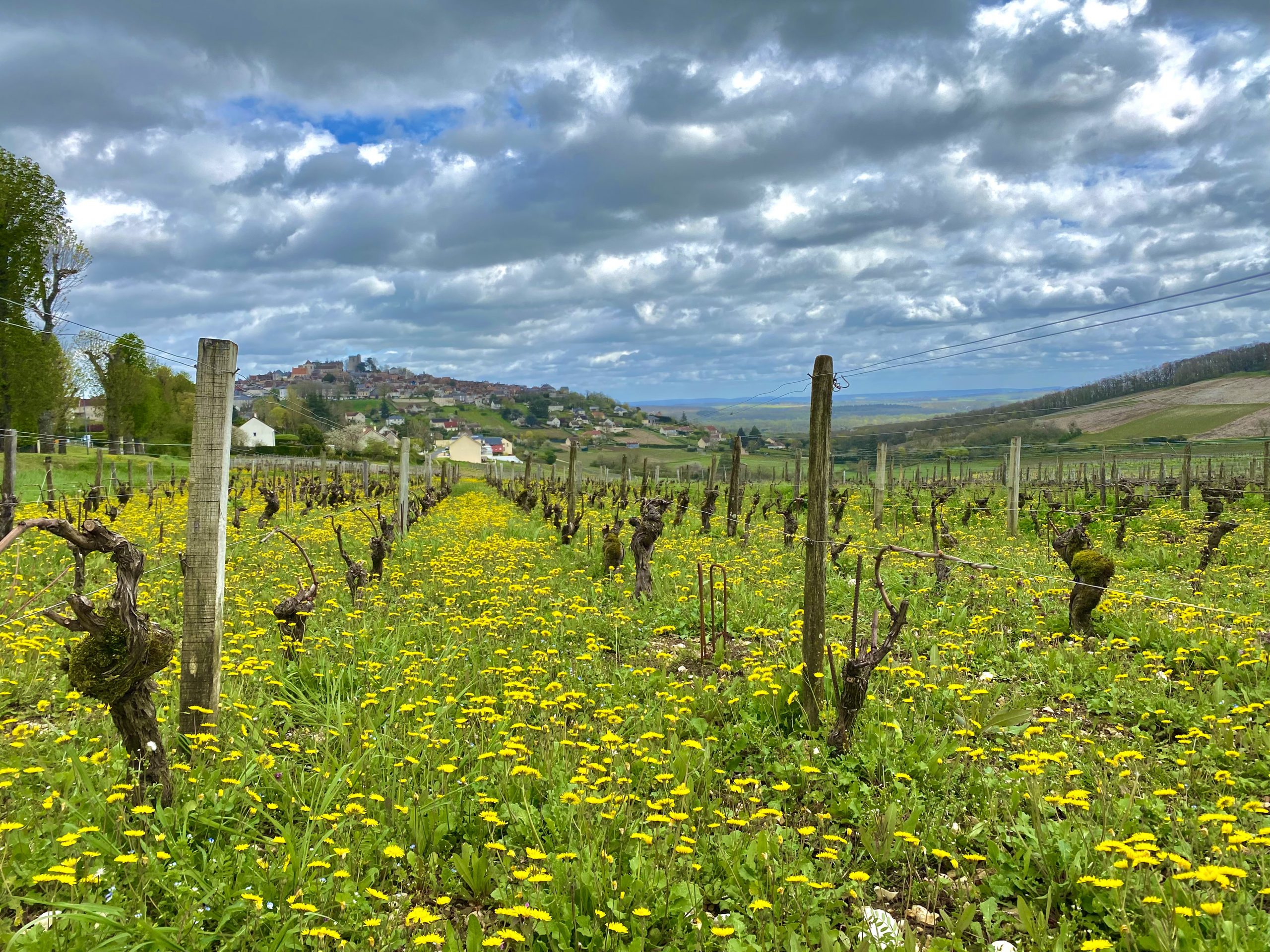
White Sancerre wine is celebrated worldwide for its crisp acidity, elegant aromas, and refreshing aromas. Often seen as the reference for Sauvignon Blanc, it promises a bright, precise tasting experience. Yet, Sancerre wine is far from uniform. Each bottle carries the imprint of its vineyard, and subtle differences in soil, sun exposure, and microclimate make every sip unique.

For many, Sancerre wine represents a reliable style, fresh, clean, and lively, but to truly appreciate it, one must understand the region’s terroir. The interplay of soil, climate, and careful winemaking is what gives Sancerre its distinctive character. By exploring these factors, wine enthusiasts can learn why two bottles of Sancerre do not taste the same and how each vineyard tells its own story.

How Soil Shapes White Sancerre Wine

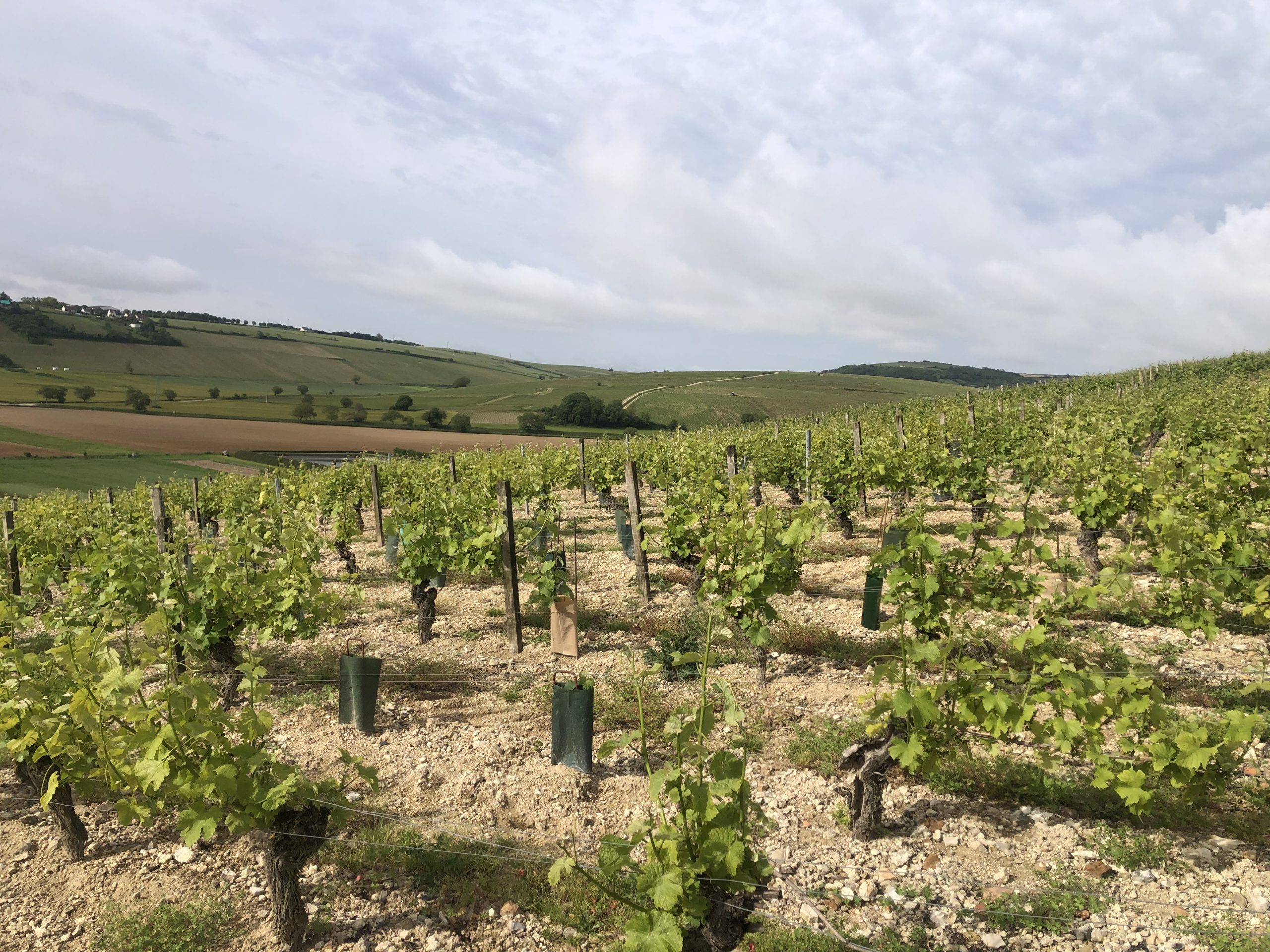
The diversity of soils in Sancerre is at the heart of the appellation’s complexity. White Sancerre wine is made exclusively from Sauvignon Blanc, yet the grape expresses itself differently depending on where it is grown. Three main soil types dominate the region, each contributing unique characteristics to the wines.

Terres Blanches Soil

Terres Blanches, composed of clay and limestone, produces wines with structure, depth, and the potential for aging. These wines are often broader on the palate, showing subtle aromas of stone fruits, dried herbs, and even hints of honey. Despite this richness, freshness remains a defining trait, allowing these bottles to evolve gracefully over time.

Caillottes

Caillottes are shallow limestone soils mixed with small stones. They yield lighter, more aromatic wines with vibrant citrus and floral notes. The mineral component is evident but gentle, creating a linear, precise profile. Wines from these soils are often seen as the classic expression of Sancerre: crisp, elegant, and immediately approachable.

Silex / Flint soils

Silex, or flint soils, contribute a smoky and a mineral signature. This flinty note is not a product of fermentation but rather an authentic expression of the vineyard itself. Wines grown on silex are intense, taut, and highly distinctive, highlighting how closely Sancerre’s white wines reflect the land from which they come.

This soil-driven diversity means that even vineyards just a few hundred meters apart can produce bottles with markedly different aromas, textures, and aging potential. For wine lovers, exploring these subtle differences is part of the fascination of Sancerre.

Climate and Winemaking Precision in Sancerre

Beyond soil, climate plays a defining role in shaping the backbone of Sancerre wines. The region benefits from a continental climate marked by cool winters and moderate summers. As a result, grape are ripening slowly naturally, allowing Sauvignon Blanc to retain its vibrant acidity. At the same time, the Loire River acts as a natural regulator, softening temperature and limiting both summer heat and winter frost. Thanks to this balance, the grapes develop gradually, building aromatic complexity while preserving the bright, precise character that defines white Sancerre wine.

In parallel, winemakers in Sancerre adopt a deliberately restrained approach. Rather than shaping the wine in the cellar, they focus on letting the vineyard speak. 

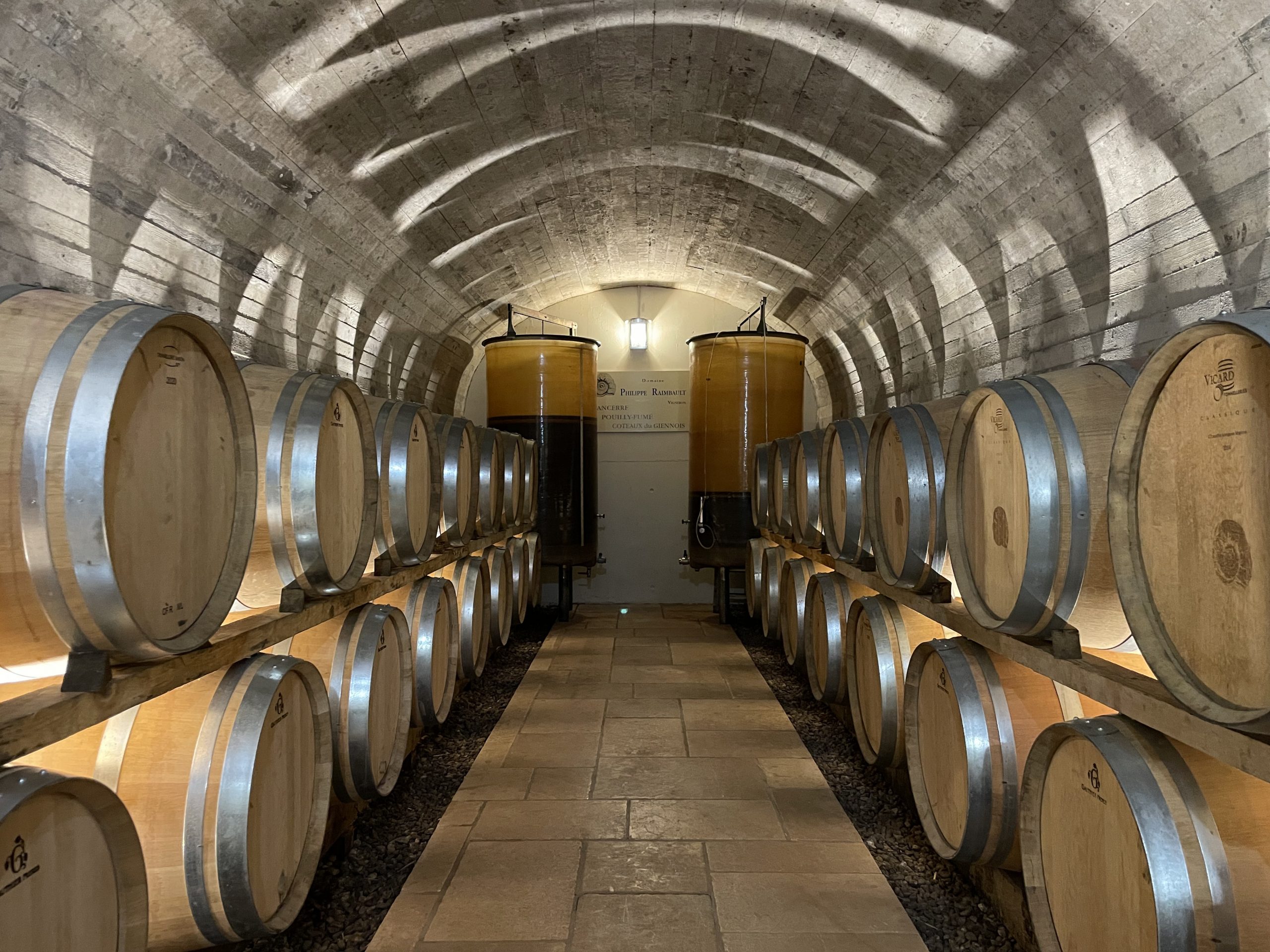
Most producers ferment and age their wines in stainless steel or neutral vats, which helps preserve freshness and clarity. Oak, when it appears, remains discreet and is usually reserved for small, experimental cuvées rather than classic styles. As a result, citrus, green apple, herbal, and mineral notes stay at the forefront, while tropical fruit remains subtle and secondary.

This same philosophy continues in the vineyard. Many estates pay close attention to canopy management, control yields carefully, and favor hand-harvesting to pick grapes at optimal maturity. Selective harvesting allows producers to maintain balance and precision from the very start of the winemaking process. Ultimately, these choices produce wines that feel taut, focused, and expressive, offering a clear reflection of both their origin and the winemaker’s touch—never overpowering, always in harmony.

Aging Potential and Unique Expressions of Sancerre wine

A common misconception suggests that Sancerre should always be enjoyed young. While many bottles are indeed crafted for early drinking, high-quality wines—especially those grown on clay-limestone soils—often evolve beautifully over several years. As time passes, sharp edges soften, the texture gains depth, and aromas gradually unfold. Notes of stone fruit, dried herbs, and layered minerality emerge, adding complexity without sacrificing freshness.

Through this evolution, Sancerre reveals itself not as a fixed style but as a living expression of both vineyard conditions and winemaking choices. The wine rewards curiosity and patience. By tasting older bottles, enthusiasts can observe how terroir continues to shape flavor long after fermentation ends, offering a deeper and more nuanced understanding of the appellation.

Beyond age alone, exploring different producers further enriches the experience. Some estates favor a classic, mineral-driven approach that emphasizes purity and tension. Others push boundaries through natural fermentations or extended aging on lees, creating broader textures and alternative expressions. Together, these interpretations form a diverse yet coherent landscape. For those willing to explore, Sancerre becomes more than a destination—it turns into an educational and sensory journey, where each bottle acts as a precise, intimate map of its vineyard of origin.

And that's a wrap!

White Sancerre wine perfectly illustrates the close relationship between grape, soil, climate, and craftsmanship. From one parcel to the next, the clay-limestone depth of Terres Blanches contrasts with the flinty tension of silex, allowing each vineyard to leave a clear and unmistakable signature in the bottle. When combined with a favorable climate and deliberately restrained winemaking, this diversity explains why two bottles of Sancerre do not ever express themselves in quite the same way.

For wine lovers, approaching Sancerre through the lens of terroir transforms tasting into a far richer experience. Each bottle becomes a narrative of its vineyard, revealing freshness, precision, and mineral elegance with remarkable clarity. Ultimately, the appellation serves as a reminder that great wine does not emerge solely from the cellar. It takes shape through place, time, and the thoughtful choices of those who guide it from vine to glass.

Frequently Asked Questions about White Sancerre Wine

Why does white Sancerre wine taste different from one bottle to another? Because white Sancerre wine is deeply shaped by terroir. Soil type, vineyard exposure, and microclimate all influence how Sauvignon Blanc expresses itself in each parcel.

Is white Sancerre wine always light and acidic?  Not necessarily. While freshness is a hallmark, wines from clay and limestone soils often show more structure and can gain depth and complexity with age.

Can white Sancerre wine age well?  Yes. High-quality white Sancerre wines, especially from Terres Blanches, can age for several years, developing texture and mineral complexity while remaining fresh.

Are you ready to discover white Sancerre wine?
Whether in the vineyards or in the heart of Paris, we will take you on a journey through taste, tradition, and terroir.

Explore our Sancerre Wine Day Trip !

Auranne

Leave a Reply

This site uses Akismet to reduce spam. Learn how your comment data is processed.

Proceed Booking