Final Decisions: Style, Regulations, and Bottle Evolution
Contenu SEO très important, mais masqué pour l’utilisateur.

Contenu SEO très important, mais masqué pour l’utilisateur.
Understanding wine can sometimes feel complex. Two bottles made from the same grape variety can taste completely different depending on where they come from, how they are produced, and how they are aged.
In reality, every wine is the result of a combination of natural conditions and human decisions. From the vineyard to the cellar and finally into the bottle, several factors shape the wine’s structure, aromas, and overall style.
To better understand what makes each wine unique, here are 10 key factors that influence every bottle, from terroir and grape varieties to winemaking techniques and bottle aging.
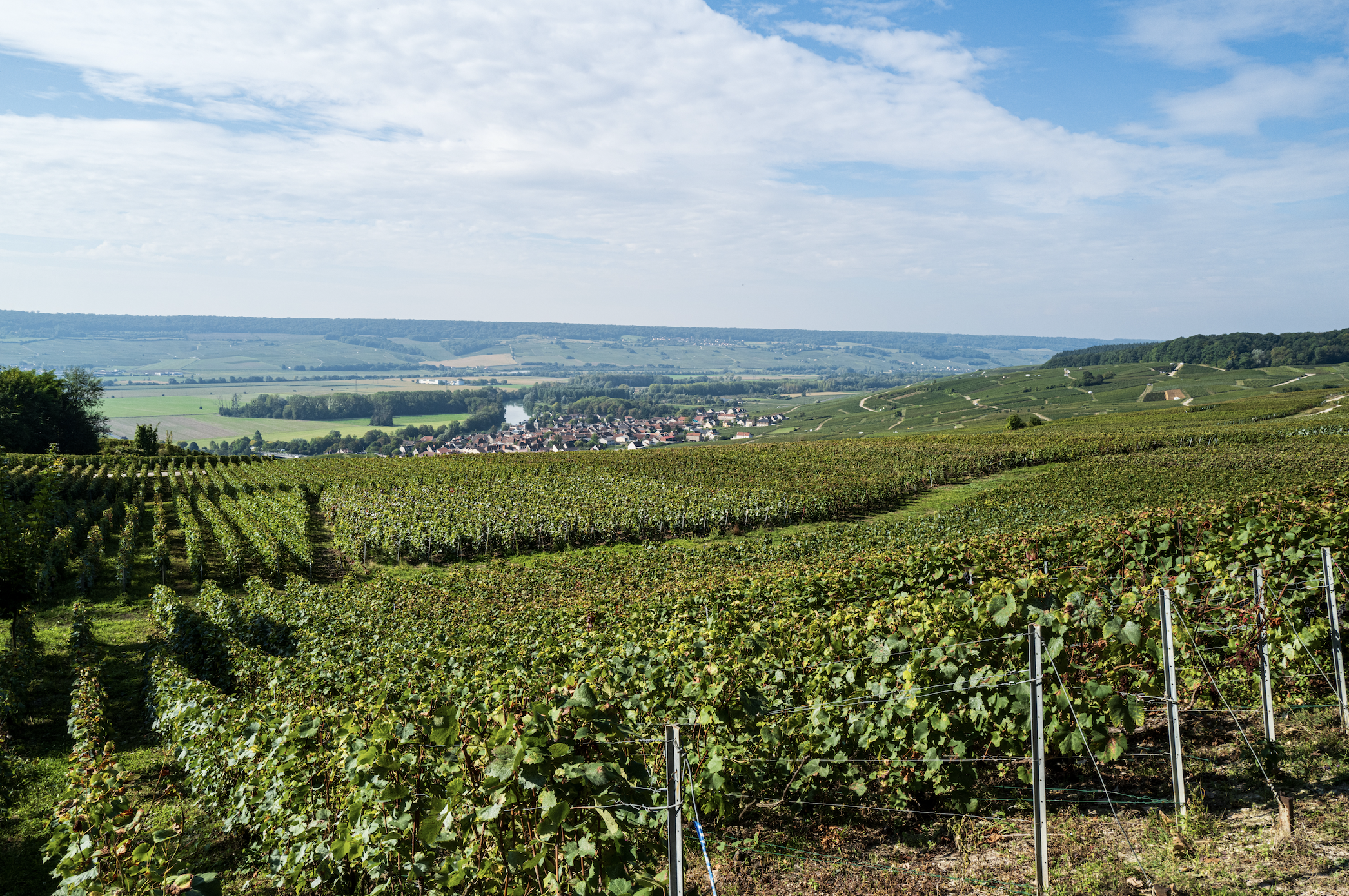
Terroir is at the core of understanding wine. It combines climate, soil, and topography, all of which influence how grapes grow and how wine develops its character. Cooler climates tend to produce fresher wines with higher acidity, while warmer regions create riper and fuller styles. Soil plays a key role in water retention and nutrient supply, with limestone bringing elegance, clay adding structure, and volcanic or sandy soils enhancing aromatics. Topography, including slope and altitude, affects sunlight exposure and drainage, shaping the overall balance of the wine.
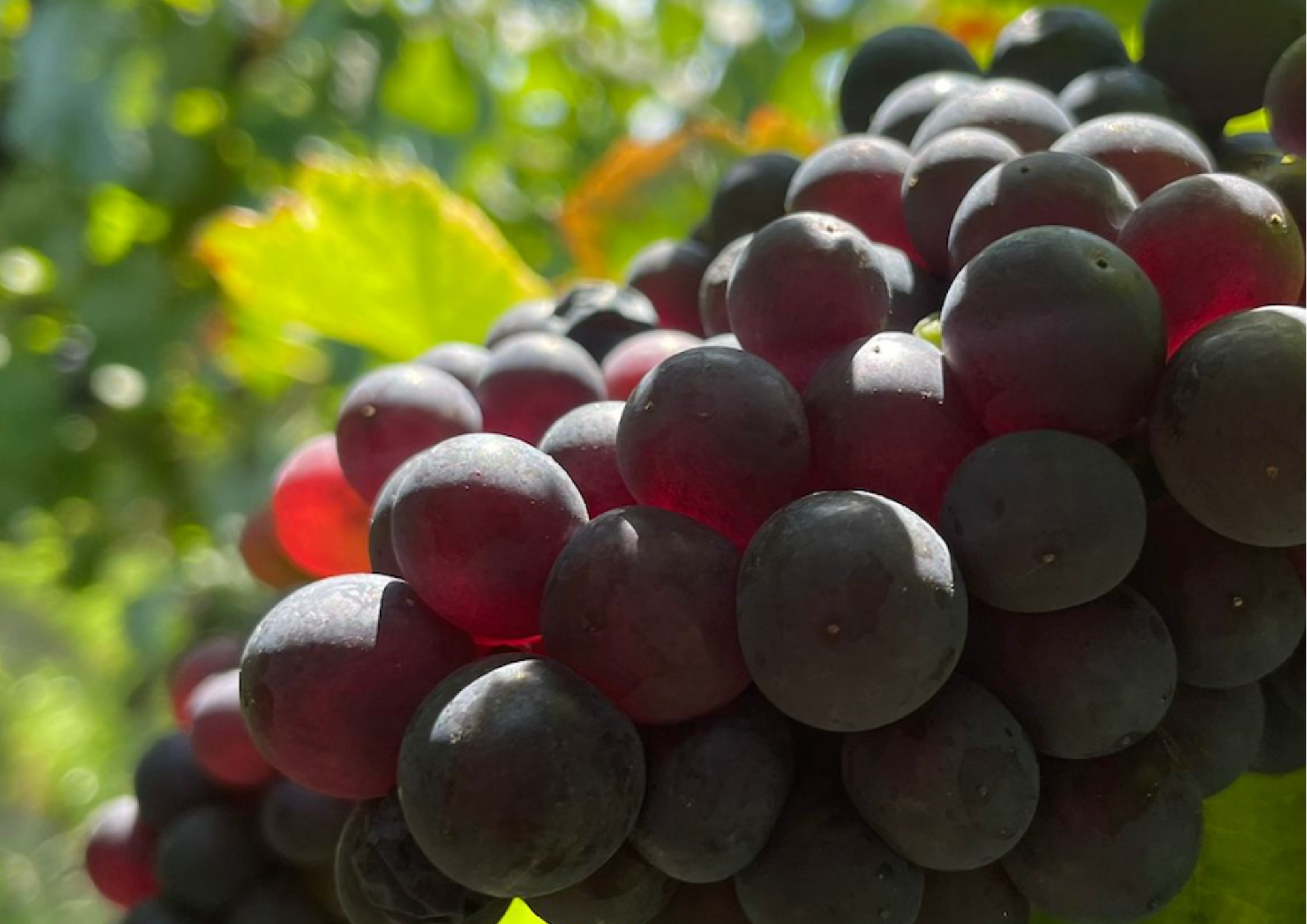
Understanding wine also starts with the grape variety, as each grape brings its own structure, aromas, and aging potential. Cabernet Sauvignon is known for its tannins and power, while Pinot Noir produces lighter, more delicate wines. Among white grapes, Riesling offers vibrant acidity, whereas Chardonnay is more versatile and can range from fresh to rich. In France, grapes like Merlot, Grenache, and Syrah dominate red wine production, each contributing distinct fruit and spice profiles that define the final style.
Beyond natural conditions, vineyard management has a direct impact on grape quality. Growers control yields to influence concentration, with lower yields often leading to more intense flavors. Pruning and canopy management regulate sunlight exposure and airflow, improving ripening and reducing disease. Farming methods, whether conventional, organic, or biodynamic, also shape the vineyard ecosystem and subtly influence the balance and expression of the wine.
The vintage, or harvest year, is a key element in understanding wine, as weather conditions directly affect grape ripeness and balance. Warm, dry years tend to produce richer wines with higher alcohol, while cooler or wetter vintages often result in fresher, lighter styles. Each vintage reflects a unique growing season, and its impact can vary depending on the region and local climate.
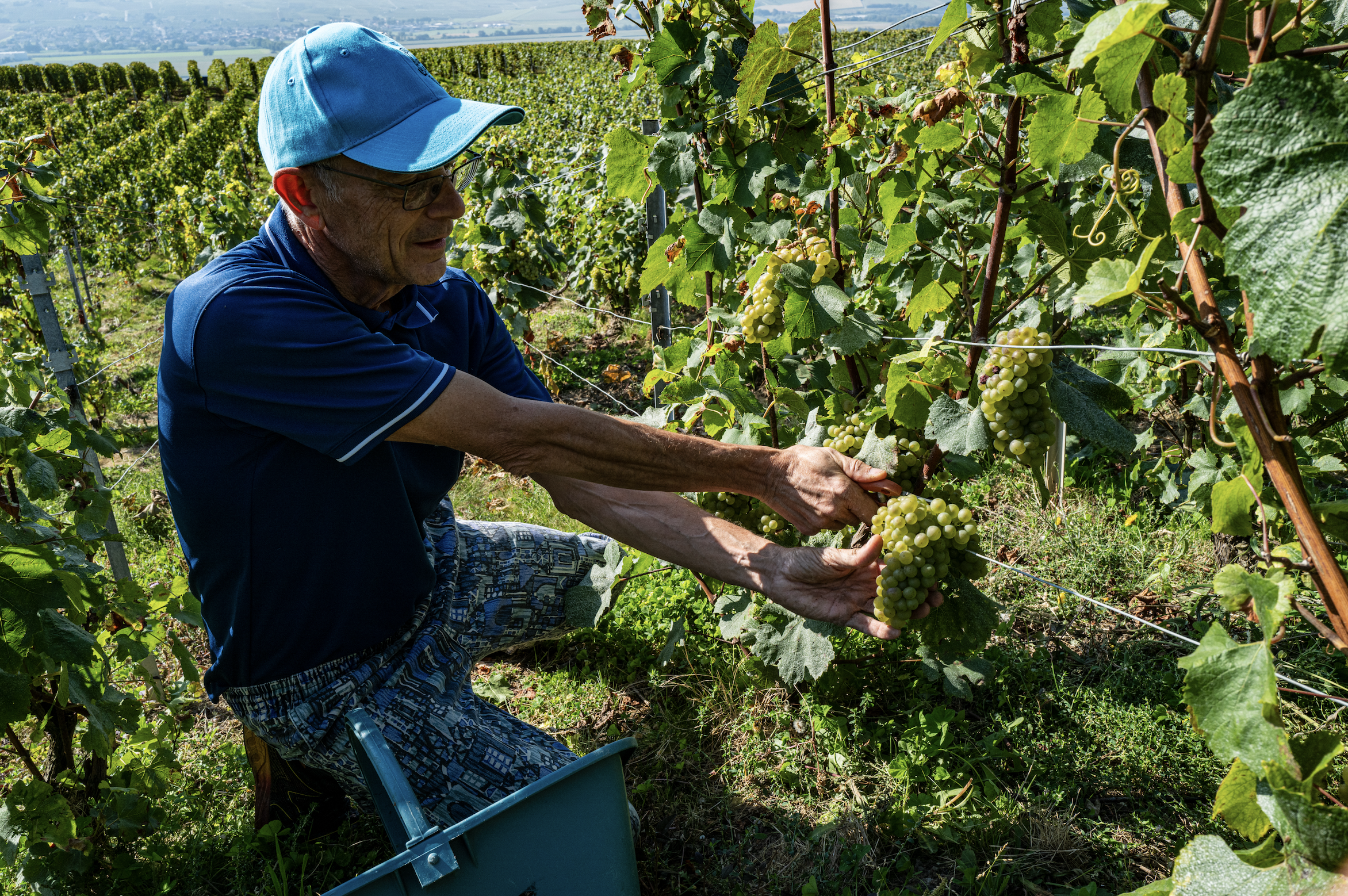
Harvest timing determines the balance between sugar, acidity, and flavor in the grapes. Early harvesting produces fresher, more acidic wines, while later harvesting leads to riper and more powerful expressions. Grapes may be picked by hand for precision or mechanically for efficiency, and careful sorting ensures that only healthy fruit is used, which is essential for producing high-quality wine.
Vinification is the transformation of grapes into wine, beginning with fermentation, where yeast converts sugar into alcohol and creates aromatic compounds. Temperature control plays a crucial role, with cooler fermentations preserving fresh fruit aromas and warmer ones extracting more structure, especially in red wines. Techniques like maceration allow color, tannins, and flavors to be extracted from grape skins, shaping the wine’s final profile.
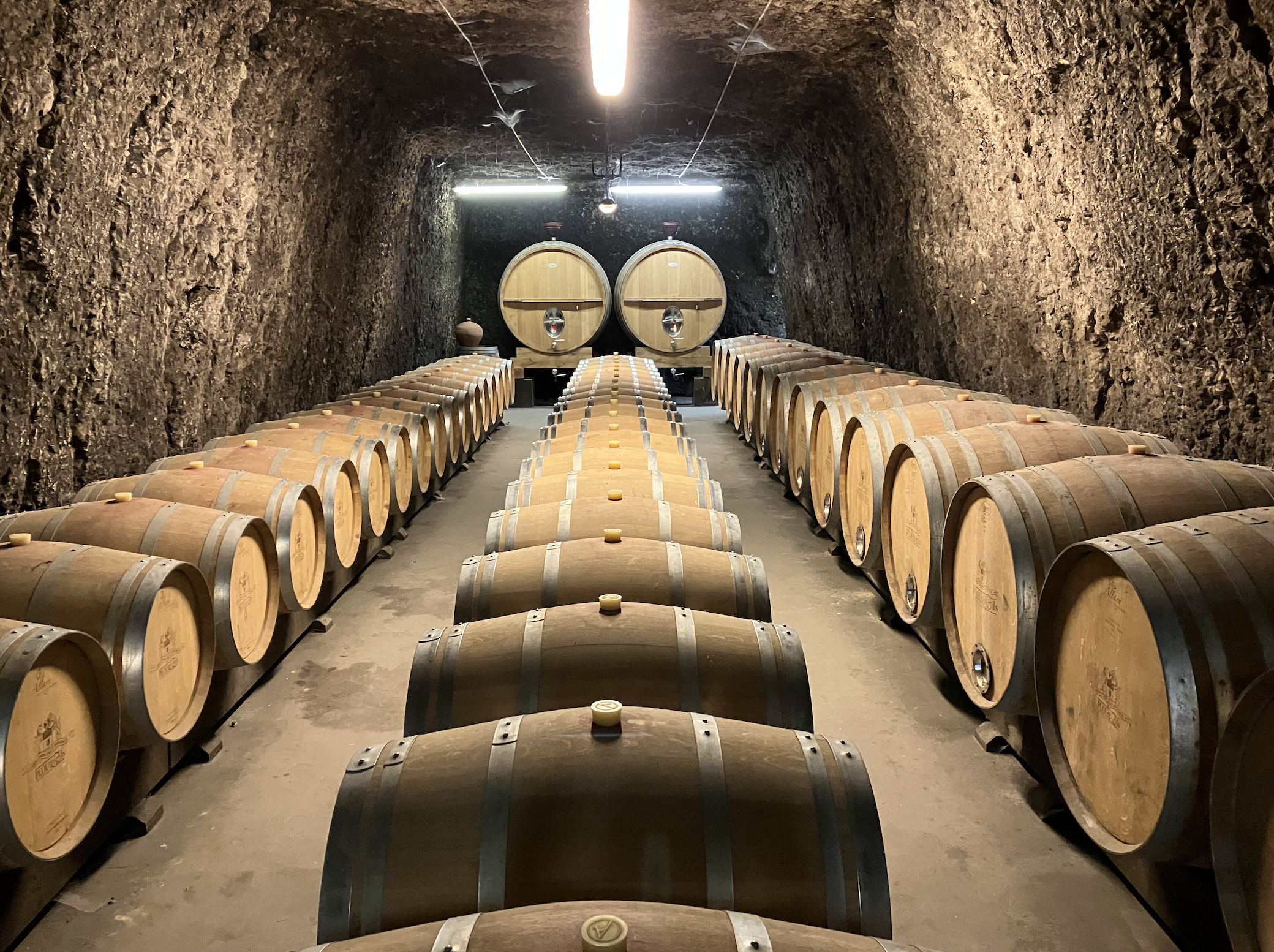
After fermentation, aging allows wine to develop complexity and stability. Wines can age in stainless steel, concrete, or oak barrels, each influencing the final style. Stainless steel preserves freshness, while oak can add notes of vanilla, spice, and texture. The length of aging also matters, as shorter periods maintain fruit-driven profiles, while longer aging softens tannins and integrates flavors.
8. Cuvées and Blending 🧪
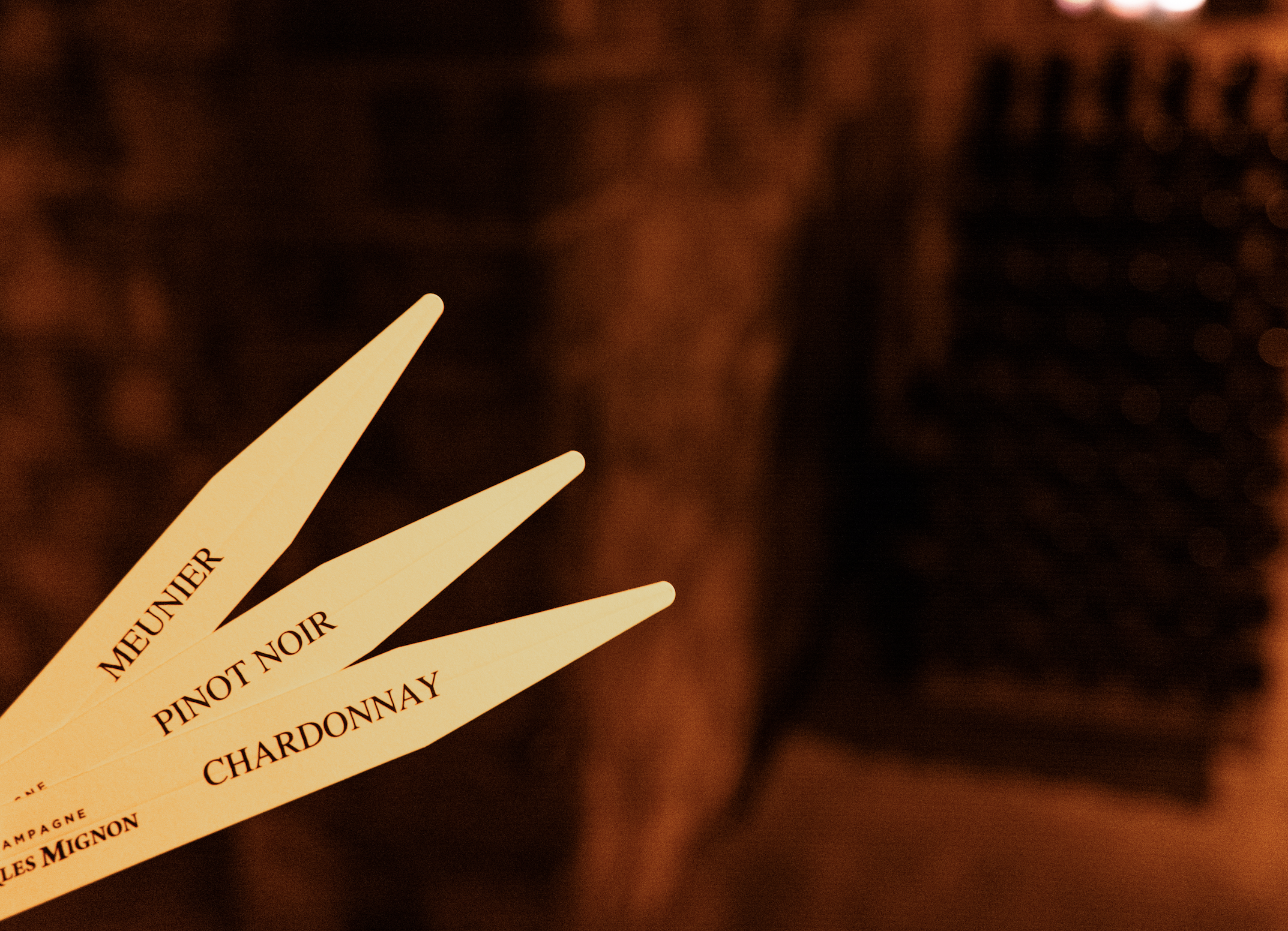
Blending, or creating a cuvée, is a key step in refining wine style. Some wines are made from a single grape, while others combine multiple varieties or vineyard plots to achieve balance and complexity. In regions like Bordeaux, blending grapes such as Cabernet Sauvignon and Merlot helps balance structure, fruit, and elegance, allowing winemakers to create consistent and harmonious wines.
Wine regulations play an important role in understanding wine, as they define how wines are produced and labeled. Appellation systems in Europe set rules on grape varieties, yields, and production methods, ensuring that wines reflect their origin and tradition. These classifications help consumers identify quality levels and better understand the style and authenticity of a wine.
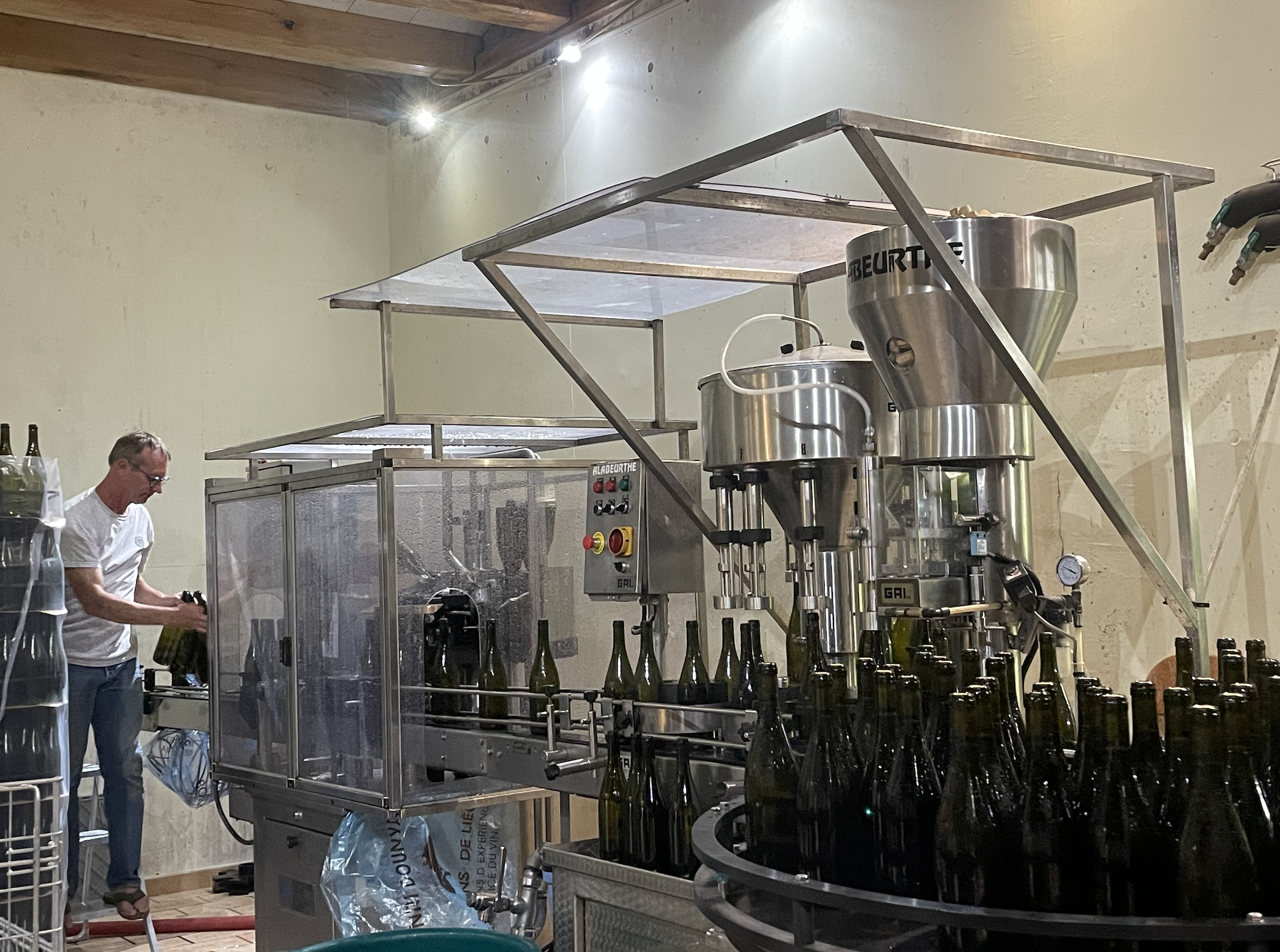
Bottling is the final stage before a wine reaches the consumer, but it does not always mark the end of its evolution. The type of closure, such as cork or screw cap, influences how the wine ages by controlling oxygen exposure. Over time, wines can develop more complex aromas, evolving from fresh fruit to notes of dried fruit, spice, or earth, especially when stored in stable conditions.
Understanding wine becomes much easier when you consider the many elements that shape it. From terroir and grape varieties to fermentation techniques, aging, and bottle storage, every step influences the final result.
These 10 key factors explain why wines from different regions, vintages, or producers can taste so unique. Each bottle tells a story that begins in the vineyard and continues through the winemaker’s decisions.
If you want to experience these elements firsthand, visiting vineyards and meeting winemakers is one of the best ways to deepen your understanding of wine. Exploring wine regions through guided wine tours allows you to see how terroir, vineyard practices, and winemaking techniques come together to create each bottle.
Cheers,
✨Margaux✨